
The right antique tree topper can transform your holiday tree into a timeless centerpiece. In recent years, the demand for an antique tree topper has soared, as families seek nostalgia and unique charm for their celebrations. This comprehensive 2026 guide will help you select the perfect antique tree topper for your home. Discover the history, types, selection tips, authenticity checks, style pairing, care techniques, shopping advice, and expert insights. Ready to elevate your holiday décor? Follow this guide to find a truly special antique tree topper and enjoy a flawless, memorable holiday display.
The Enduring Appeal of Antique Tree Toppers
Antique tree toppers are more than just festive ornaments. They are treasured pieces of history, connecting generations and sparking nostalgia each holiday season. Their enduring charm lies in their craftsmanship, unique materials, and the stories they tell.
The History and Evolution of Tree Toppers
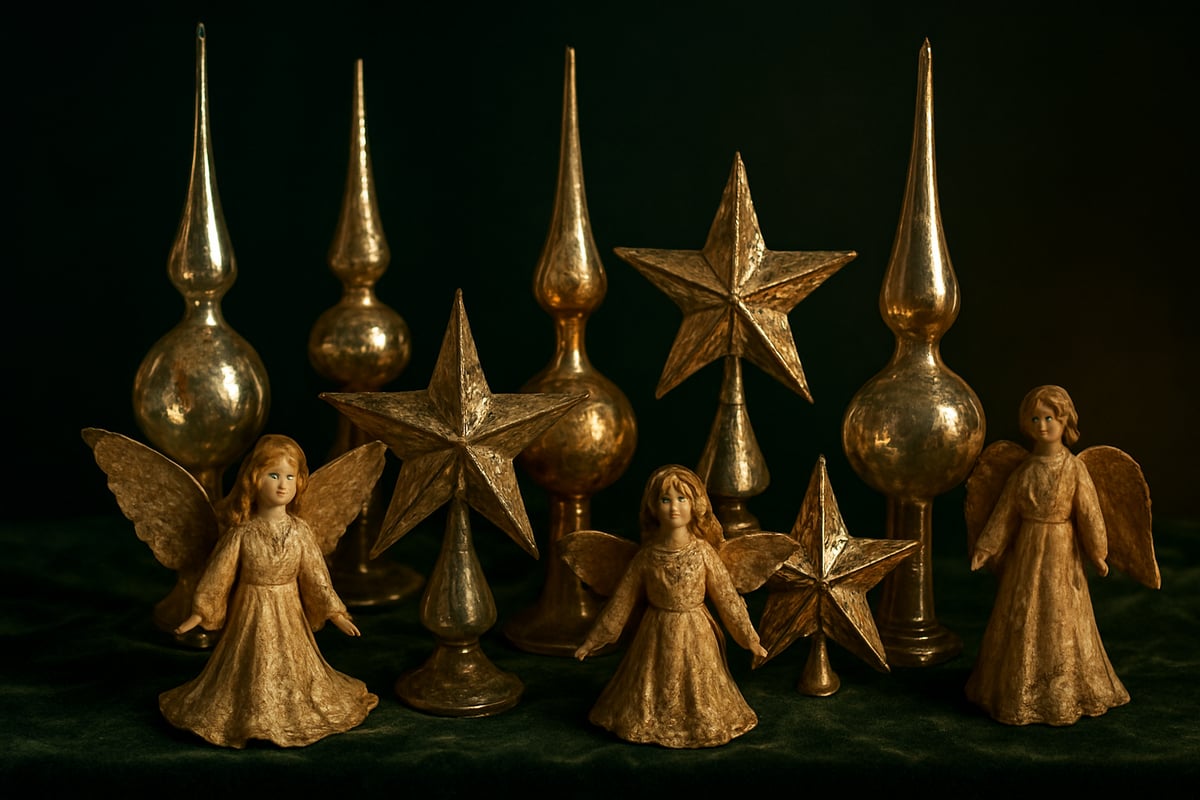
The tradition of adorning trees with a special topper began in the 19th century. Early antique tree topper designs were often glass finials, hand-blown by skilled European artisans in places like Germany and the Czech Republic. These toppers often featured mercury glass, a material prized for its reflective shimmer and delicate appearance.
As decades passed, the antique tree topper evolved. The 1950s introduced bold Sputnik stars, echoing the excitement of the space age, while the 1960s saw the rise of mercury glass angels and stars. European influence remained strong, with German and Czech glass artistry setting the standard for intricate design and vibrant color.
Materials shifted over time as well. What began as fragile blown glass expanded to include wire, fabric, straw, and even tinsel. In the United States, Shiny Brite ornaments became iconic, reflecting the mid-century fascination with bright colors and new manufacturing techniques. You can learn more about this era's impact on tree topper styles from the Shiny Brite ornaments history.
Notable examples include USSR glass toppers with bold painted details, Czechoslovakian diorama reflex toppers with miniature scenes, and American tinsel stars that sparkled atop trees in the postwar years.
Why Antique Toppers Are Coveted Today
Many families treasure their antique tree topper as a beloved heirloom, passed down through generations. These toppers carry sentimental memories, marking decades of holiday traditions and celebrations.
Rarity is another reason collectors seek out an antique tree topper. As original pieces become harder to find, their value and desirability increase. Platforms like Etsy currently list over 5,000 antique toppers, many under $50, making them accessible yet collectible.
The artistry of an antique tree topper is difficult to match. Hand-painted details, unique forms, and quality materials set them apart from modern mass-produced options. Each piece reflects the skill and creativity of its maker.
Sustainability also plays a role in their renewed popularity. Choosing an antique tree topper supports eco-friendly shopping and gifting, as it encourages reuse and preservation of history.
Finally, antique toppers offer versatility in decor. They blend effortlessly with both vintage and modern holiday themes, allowing for creative expression and personal style. Whether your tree is classic or contemporary, the right antique tree topper can become a stunning centerpiece.
Types of Antique Tree Toppers: Materials, Shapes, and Iconic Styles
The world of the antique tree topper is as varied and enchanting as the trees they adorn. From delicate glass spires to whimsical folk art creations, these toppers capture both history and artistry. Understanding the main types, materials, and iconic styles will help you choose a piece that not only fits your tree but also tells a story.
Glass Finials and Spires
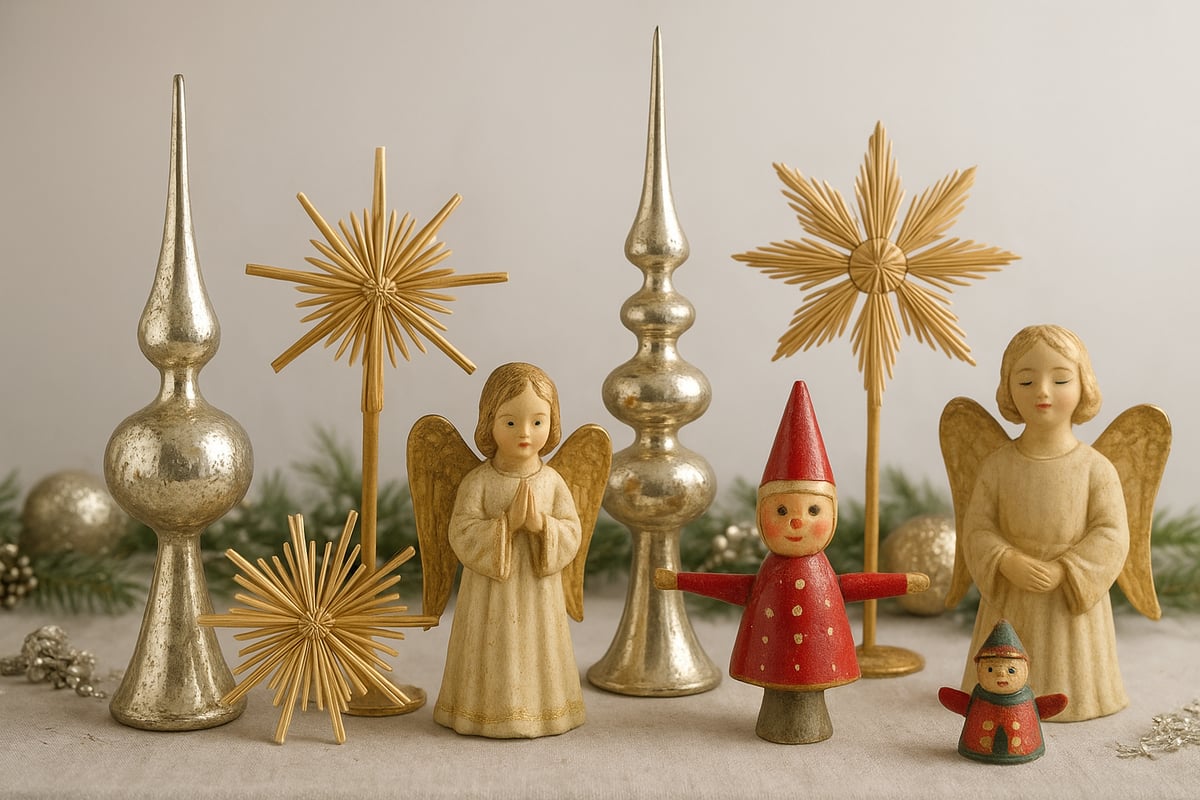
Glass finials and spires are among the most iconic forms of antique tree topper. These pieces are typically hand-blown, often featuring mercury glass with shimmering, painted, or reflective surfaces. Originating in Europe, especially in Czechoslovakia, Germany, and the former USSR, glass toppers rose to prominence in the late 19th and 20th centuries.
Collectors value the intricate craftsmanship and the variety of shapes, from single to triple spires. Diorama reflex toppers from the 1960s, with their colorful indentations and scenes, remain highly sought-after. When considering an antique tree topper in this style, look for signs of age like gentle paint wear and the unmistakable luster of old mercury glass.
Stars, Angels, and Religious Motifs
The star is a classic antique tree topper, symbolizing the Star of Bethlehem. Antique stars appear in many forms, including wooden, tin, glass, and straw versions. Each material offers a unique texture and glow.
Angels, often crafted from fabric, porcelain, or wire, were especially popular in the mid-20th century. Japanese cone angels from the 1950s, with their serene faces and delicate wings, are a cherished find. Religious motifs may include carved wooden nativities or illuminated scenes, adding spiritual depth to your holiday display. Choosing an antique tree topper from this category brings tradition and meaning to your celebrations.
Novelty and Folk Art Toppers
Not all antique tree topper designs are formal or traditional. Many regions developed their own folk art interpretations, reflecting local customs and materials. Scandinavian straw stars are a beloved example, hand-woven into intricate patterns. Felted animals, such as snowy owls or woodland creatures, often appear in Northern European and American folk traditions.
Handmade novelty toppers offer a playful touch—think of brightly colored paper mache, painted tin, or beadwork. These pieces add personality and charm, making each antique tree topper a conversation starter and a link to global holiday heritage.
Material Breakdown: Glass, Metal, Fabric, and More
Antique tree topper materials range from delicate glass to sturdy wood. Each material has unique qualities:
| Material | Pros | Cons | Example |
|---|---|---|---|
| Glass | Reflective, detailed, rare | Fragile, sensitive to temp | Mercury glass finial |
| Metal | Durable, ornate designs | Can tarnish, heavier | Silver wire angel, tin star |
| Fabric | Lightweight, soft textures | Fades, attracts dust | Felted wool topper, Japanese cone angel |
| Straw/Wood | Natural, rustic charm | Prone to breakage, dry out | Scandinavian straw star, wooden nativity |
When selecting an antique tree topper, weigh the pros and cons of each material based on your household and style. For those interested in exploring a curated selection of materials and designs, the Vintage and Handmade Christmas Decor collection is an excellent resource.
Rarity and Value by Type
The rarity and collectible value of an antique tree topper depends on its type, condition, and provenance. Glass diorama toppers from mid-century Europe, especially those with original paint and intact scenes, command higher prices. Folk art and novelty toppers, while less expensive, may be rare due to their handmade nature and limited production.
Price ranges in 2026 vary widely, from as little as $7 for simple straw stars up to $150 or more for pristine glass finials. Condition is key—a complete, damage-free antique tree topper will always fetch a premium. When shopping, inspect for paint loss, repairs, and original packaging, as these factors influence both value and desirability.
Key Criteria for Choosing the Perfect Antique Tree Topper
Selecting an antique tree topper is both an art and a science. To find the ideal piece for your holiday display, it is essential to consider several factors beyond mere appearance. This section outlines the most important criteria, helping you balance tradition, beauty, and practicality in your search.
Assessing Tree Size and Proportion
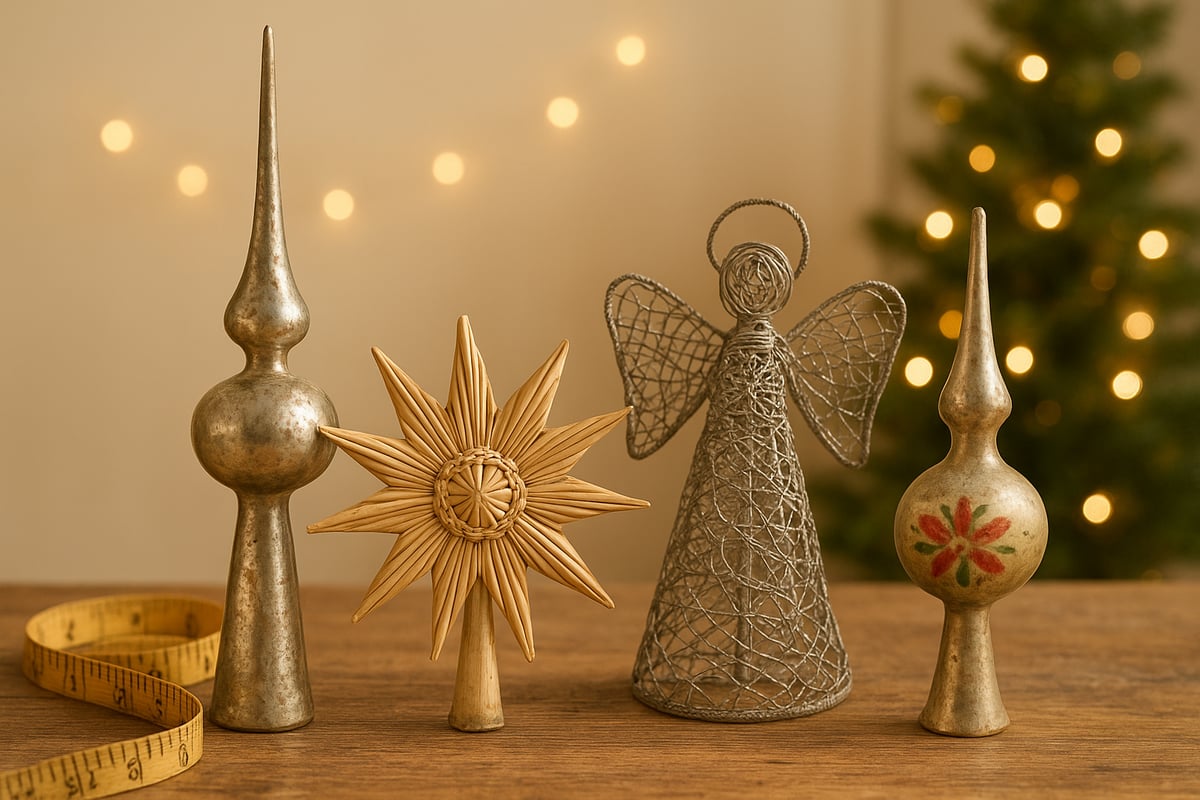
The relationship between your tree and your antique tree topper is crucial for a balanced look. Start by measuring the height of your tree, whether it is real or artificial. For a 6 to 9 foot tree, a topper between 8 and 14 inches is typically ideal.
A large antique tree topper, such as a 14.5 inch glass finial, creates a dramatic statement on a tall tree, while a smaller 8 inch finial suits compact spaces. Ensure the topper is not too heavy for the tree’s top branch, as stability is key. Remember, the right scale enhances both the topper and the overall tree design.
Evaluating Condition and Authenticity
When shopping for an antique tree topper, inspect it closely for signs of age and genuine craftsmanship. Look for patina, hand-painted details, and maker’s marks, which often indicate authenticity. Examine the surface for chips, cracks, or repairs, as these can affect both value and longevity.
Be cautious of reproductions labeled as “antique-style.” Uniform finishes, overly bright colors, or modern materials are red flags. Authentic toppers typically show gentle wear, subtle fading, or minor imperfections, all of which add to their charm and historical value.
Compatibility with Tree Type and Décor
Matching an antique tree topper to your tree and décor ensures a seamless holiday look. Consider the weight of the topper, especially for artificial trees, which may have lighter or less flexible branches. Attachment style also matters; some toppers have coil bases, while others require ties or special holders.
Choose a topper that complements your ornament color scheme. For example, a silver glass topper works beautifully with cool-toned decorations, while a straw star enhances Scandinavian or rustic themes. Blending vintage and modern décor can create a unique and harmonious display.
Personal Style and Sentiment
Your antique tree topper should reflect your personal taste and family traditions. Some households pass down a cherished topper through generations, making it a meaningful heirloom. Others seek toppers that spark conversation or evoke a specific era.
Think about the story you want your holiday tree to tell. Whether you prefer a classic angel, a whimsical folk art piece, or a mid-century star, your topper can become the focal point and a lasting memory for your family and guests.
Budget Considerations and Investment Value
Setting a budget is an important step when purchasing an antique tree topper. Prices can range from $7 for simple glass finials to $150 or more for rare or pristine pieces. Decide what features matter most to you, such as rarity, provenance, or condition.
If you are looking for affordable options, explore resources like Budget-Friendly Vintage Gifts for tips on finding quality toppers at reasonable prices. Some toppers may appreciate in value over time, especially those from notable makers or with unique designs. Consider both sentimental and investment potential as you shop.
Safety and Practicality
Safety should never be overlooked when selecting an antique tree topper. Ensure it is securely attached to avoid falls, especially on tall or artificial trees. Avoid toppers with sharp edges or fragile elements if you have children or pets in the home.
Inspect the attachment mechanism and test stability before finalizing your display. Lightweight toppers are easier to secure, while heavier or delicate pieces may require additional support. By prioritizing safety, you can enjoy your antique tree topper with peace of mind throughout the holiday season.
How to Identify Genuine Antique Tree Toppers
Identifying a genuine antique tree topper requires attention to detail, historical knowledge, and a careful eye for subtle clues. With reproductions on the rise, knowing what sets an authentic piece apart is essential for collectors and holiday enthusiasts alike.
Spotting Authenticity: Age, Marks, and Craftsmanship
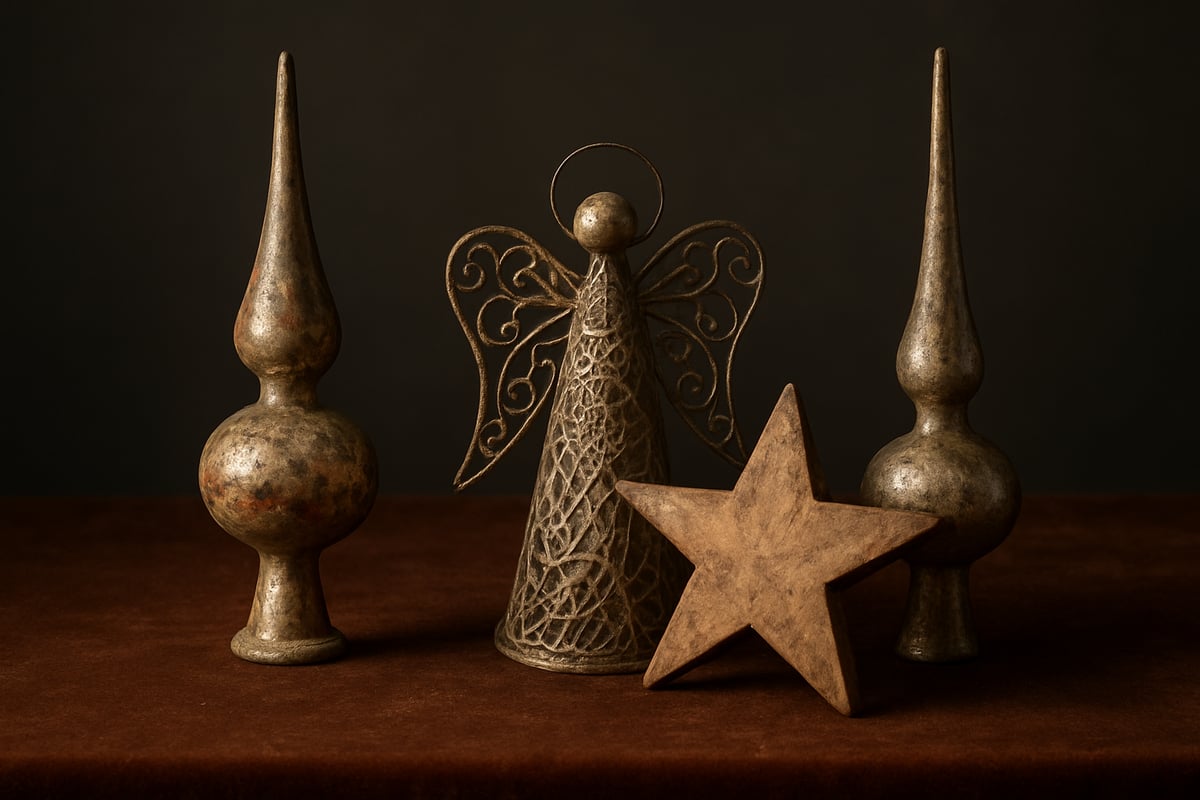
The first step in verifying an antique tree topper is to examine its construction and markings. Genuine toppers often have hand-painted details, irregular brushstrokes, and slight asymmetry. Look for maker’s marks or country of origin stamps, typically found on the base or underside. These marks can indicate a pre-1970s origin and help confirm authenticity.
Also, pay attention to craftsmanship. True antique tree toppers may feature delicate glass blowing, hand-molded wire, or hand-sewn fabric. Mass-produced modern replicas tend to have uniform shapes and machine-applied finishes. If the topper feels too perfect, it could be a reproduction.
Material Analysis and Wear Patterns
Materials reveal much about an antique tree topper’s age. Older toppers are often made from mercury glass, tarnished metals, or natural fibers like straw. Over time, these materials develop unique wear patterns. Common signs of age include:
- Fading or flaking paint on glass
- Patina or slight rust on metal parts
- Clouding or bubbles within glass
- Fraying on fabric elements
Restoration can affect value, so inspect for signs of repair, such as mismatched paint or new glue. Authentic antique tree toppers will show gentle aging but should not be structurally compromised.
Research and Documentation
Thorough research is vital when assessing an antique tree topper. Compare your piece to reference images in vintage catalogs or online collector forums. Resources like Valuable antique tree toppers provide visual guides and descriptions, making it easier to identify rare or notable designs.
Documenting your topper’s features, provenance, and any unique characteristics will help with future authentication. Keeping records also supports insurance claims and potential resale.
Consulting Experts and Appraisers
When in doubt, consult a professional appraiser or antique holiday décor specialist. Experts can verify the age, materials, and maker, especially for high-value or unusual antique tree toppers. They may use specialized tools or access private archives for confirmation.
Expert evaluation provides peace of mind and can uncover hidden details that increase a topper’s significance. For rare finds, official documentation adds value and preserves the topper’s story for future generations.
Matching Your Antique Tree Topper to Your Holiday Aesthetic
Selecting an antique tree topper is about more than tradition—it is a chance to showcase your unique holiday style. The right piece will not only crown your tree, but also set the stage for the entire room. With so many options available, blending your antique tree topper with your decor can create a curated, timeless look that feels both personal and festive.
Classic, Vintage, and Eclectic Holiday Styles
Your holiday aesthetic sets the tone for your entire celebration. A classic look pairs well with a glass or metallic antique tree topper, such as a star or angel, echoing mid-20th-century charm. For a vintage feel, consider mercury glass spires or hand-painted toppers that reflect nostalgic color palettes.
If your style is more eclectic, mix motifs—combine a folk art antique tree topper with bold, modern ornaments for contrast. Scandinavian straw stars or wooden toppers work beautifully in rustic or minimalist settings, adding warmth and heritage to your display.
Color Coordination and Ornament Pairing
Balancing colors is essential when showcasing an antique tree topper. Choose a topper that complements or tastefully contrasts with your ornaments. For instance, a silver glass topper pairs elegantly with cool tones like blue, white, and emerald, while gold or red toppers suit warmer, traditional schemes.
Try mixing materials for depth: combine glass, metal, and natural elements for a layered effect. Use the table below for quick reference:
| Topper Material | Ornament Colors | Style Match |
|---|---|---|
| Mercury Glass | Blues, greens, silver | Classic, vintage |
| Straw | Whites, neutrals | Scandinavian |
| Metal | Gold, red, green | Traditional |
Let your antique tree topper guide your ornament selection to maintain a cohesive and inviting look.
Integrating Family Heirlooms and New Finds
Blending inherited toppers with newly acquired antiques adds depth and storytelling to your tree. Displaying a cherished heirloom antique tree topper alongside recent vintage finds creates a visual timeline of your family's holiday traditions.
Layer ornaments that echo the style or color of the topper for continuity. Do not be afraid to mix eras—a 1950s angel can look stunning with contemporary glass balls or handmade felt ornaments. The result is a tree rich in personal history and festive spirit.
Display Tips for Maximum Impact
Proper placement ensures your antique tree topper stands out and remains secure. For stability, anchor heavier toppers with discreet wire or a specialized stand, especially on artificial trees. Position your topper so it is visible from all angles, adjusting branches if needed.
Consider these tips for best results:
- Use LED string lights to highlight glass or reflective toppers.
- Place larger toppers on taller trees to maintain balance.
- Avoid placing fragile toppers near high-traffic areas or within reach of pets.
A thoughtful approach to display guarantees your antique tree topper remains the focal point of your holiday decor.
Inspiration from Real Homes and Designer Displays
Looking at how others style their trees can spark new ideas. Social media platforms and collector showcases reveal trends like maximalist ornament layering, sustainable vintage decor, and curated antique tree topper collections. Many designers blend old and new, creating trees that feel both fresh and nostalgic.
For more inspiration and to browse authentic vintage holiday pieces, explore the Seasonal Vintage Decor Collection. Discover how a well-chosen antique tree topper can elevate your holiday display and become a cherished part of your annual tradition.
Caring for and Storing Antique Tree Toppers
Preserving the beauty and value of your antique tree topper requires thoughtful care and the right storage methods. Proper maintenance ensures these treasured pieces remain stunning centerpieces for generations. Whether your collection includes delicate glass, intricate metalwork, or rare folk art, a few expert strategies can keep your antique tree topper in pristine condition.
Cleaning and Maintenance Best Practices
Gentle cleaning is essential for any antique tree topper. Avoid harsh chemicals or abrasive materials, as these can damage fragile surfaces or remove original paint.
Use a soft brush or a microfiber cloth to dust glass and metal toppers. For fabric or straw designs, compressed air on a low setting helps remove particles without disturbing the structure. If your antique tree topper features hand-painted details, spot clean carefully with a barely damp cloth, taking care not to rub.
| Material | Cleaning Method | Notes |
|---|---|---|
| Glass | Soft brush/microfiber cloth | Avoid water, no chemicals |
| Metal | Dry cloth, gentle polish | No abrasive cleaners |
| Fabric/Straw | Low-pressure air, spot clean | Keep dry, avoid soaking |
Regular, gentle cleaning will help maintain brilliance and extend the life of your antique tree topper.
Safe Handling and Display
Installing or removing an antique tree topper requires a steady hand and some planning. Always support the base and avoid twisting delicate parts.
If your tree is tall or artificial, check that the branch or attachment can hold the antique tree topper’s weight. For added safety, use clear floral wire or discreet supports to anchor heavier toppers securely. Display toppers away from direct sunlight and heat sources, which can cause fading or warping.
Consider handling your antique tree topper with cotton gloves to prevent oils from your skin from affecting fragile finishes. Careful handling preserves both appearance and value.
Storage Solutions to Prevent Damage
Proper storage is key to protecting your antique tree topper once the holidays are over. Whenever possible, keep the original box and packaging, as these are designed for protection and may add to the item's provenance.
If the original box is unavailable, choose an acid-free, padded container. Wrap the antique tree topper in acid-free tissue paper, and use dividers or soft padding to prevent contact with other ornaments. Store in a cool, dry place with stable humidity to avoid moisture damage.
Label storage boxes clearly and keep them on higher shelves to minimize risk from accidental knocks or floods. These steps help ensure your antique tree topper remains intact year after year.
Repair and Restoration Advice
Minor chips or loose attachments on an antique tree topper can sometimes be addressed at home using archival glues or gentle adhesives. However, for significant damage or valuable pieces, consult a professional conservator to preserve authenticity and value.
Avoid over-restoring, as too much intervention may reduce the collectible appeal. If you notice fading paint, tarnish, or other age-related wear, document these changes as part of your antique tree topper’s unique history. For more on collectible trends and restoration, refer to What Vintage Is Trending Now.
Insurance and Documentation
Cataloging your antique tree topper collection protects your investment and legacy. Photograph each piece from multiple angles, noting any unique features, maker’s marks, or restoration work.
Store documentation, receipts, and provenance papers in a safe location. For particularly valuable toppers, consider adding them to your home insurance policy, listing details and estimated values. This provides peace of mind and helps future generations appreciate the significance of each antique tree topper.
Where to Find the Best Antique Tree Toppers in 2026
Searching for the ideal antique tree topper can be an adventure in itself. Whether you prefer online browsing or in-person treasure hunts, knowing where and how to shop will help you secure a truly special piece for your collection.
Shopping Online: Marketplaces and Specialty Stores
Online platforms remain the most convenient way to browse thousands of antique tree topper listings from around the world. Etsy stands out with over 5,000 options, ranging from rare glass finials to folk art stars. eBay also offers a wide selection, making it easy to compare prices and styles.
When shopping online, filter results by age, material, and location to ensure authenticity. Look for detailed photos and clear descriptions. Specialty vintage décor shops often curate high-quality collections, providing peace of mind for buyers seeking genuine history. For those interested in specific styles, such as angel toppers, exploring resources like the Evolution of angel tree toppers can inspire your search and help identify unique pieces. By using these platforms and resources, finding the perfect antique tree topper becomes a rewarding experience.
In-Person Treasure Hunting: Antique Markets and Fairs
Nothing compares to holding an antique tree topper in your hands before purchasing. Antique markets and holiday fairs provide the chance to inspect color, weight, and craftsmanship up close. Many regional events specialize in vintage holiday décor, attracting collectors from across the country.
Popular markets include local antique malls, European Christmas fairs, and seasonal pop-up shops. Visiting these venues allows you to uncover hidden gems and negotiate directly with sellers. Bringing a reference photo or a list of desired features can help narrow your search for the ideal antique tree topper.
Working with Reputable Dealers and Collectors
Building relationships with trusted dealers can lead to exclusive access to rare antique tree topper finds. Reputable dealers should be willing to answer questions about provenance, restoration history, and return policies. Collectors often network through online forums or local clubs, sharing leads and insights.
When considering a purchase, always ask for detailed documentation and, if possible, a certificate of authenticity. Establishing rapport with dealers may result in first dibs on new arrivals and helpful advice for growing your antique tree topper collection.
Price Trends and Negotiation Tips
Prices for antique tree topper pieces vary widely, from $7 for modest folk art toppers to over $150 for rare, pristine glass finials. Monitoring market trends helps you spot bargains, especially during post-holiday sales when inventory is high.
Negotiation is common, particularly at fairs and with independent sellers online. Polite inquiries about discounts or bundled purchases are often welcomed. Staying informed about current price ranges and condition factors ensures you pay a fair price for your chosen antique tree topper.
Summary Table: Where to Shop and What to Expect
| Shopping Venue | Advantages | Price Range | Tips for Success |
|---|---|---|---|
| Etsy, eBay | Wide selection, filters | $7–$150+ | Check seller reviews, ask for photos |
| Antique Markets/Fairs | Inspect in person | Varies | Bring cash, negotiate in person |
| Dealers/Collectors | Expert guidance | Mid to high | Request provenance, build rapport |
Seasonal Timing and Limited Editions
Timing your search can make a significant difference in selection and price. Shopping for an antique tree topper before the holiday rush ensures access to the best inventory. Post-holiday sales often yield discounts as sellers clear out remaining stock.
Limited edition toppers and rare finds frequently appear during the holiday season, making early shopping essential for collectors. Pay attention to regional fairs and online listings that announce special releases or curated collections. Planning ahead increases the chance of securing a one-of-a-kind antique tree topper for your festive display.
Expert Insights: What Collectors Look For
Leading collectors and dealers agree that craftsmanship, originality, and condition are top priorities when choosing an antique tree topper. In 2026, there is growing interest in mid-century glass finials, folk art motifs, and toppers made from sustainable materials.
Experts recommend focusing on pieces that blend seamlessly with your décor, while also reflecting historical significance. As trends evolve, unique toppers with clear provenance and hand-painted details are likely to appreciate in value, making them both a beautiful and wise investment.
As you’ve discovered, finding the perfect antique tree topper is about more than style — it’s about honoring tradition, supporting small makers, and bringing a unique story to your holiday celebrations. Whether you’re searching for a rare glass finial, a sentimental angel, or a one of a kind folk art piece, the right topper can truly transform your tree into a centerpiece filled with warmth and history. If you’re ready to explore a curated selection from passionate local vendors and artisans, we invite you to Shop Now and find your next cherished holiday heirloom.