
Vintage clothing is making a powerful comeback in 2026. From eco-conscious shoppers to trendsetters seeking something different, more people are turning to timeless pieces that speak to both style and sustainability.
Choosing vintage means embracing individuality and reducing your environmental impact. Each item tells a story, offering a unique blend of quality and history that modern fashion often lacks.
This essential guide will help you buy vintage clothing with confidence. Discover the benefits, learn to identify authentic pieces, find the best places to shop, and master expert tips for caring for and styling your vintage finds.
Why Buy Vintage Clothing in 2026?
Choosing to buy vintage clothing in 2026 is more than a fashion statement. It is an active step toward sustainability, individuality, and social responsibility. As the world shifts away from fast fashion, more consumers are searching for ways to express their style while making a positive impact. This section explores the compelling reasons to buy vintage clothing, from environmental benefits to economic value and cultural influence.
The Sustainability Factor
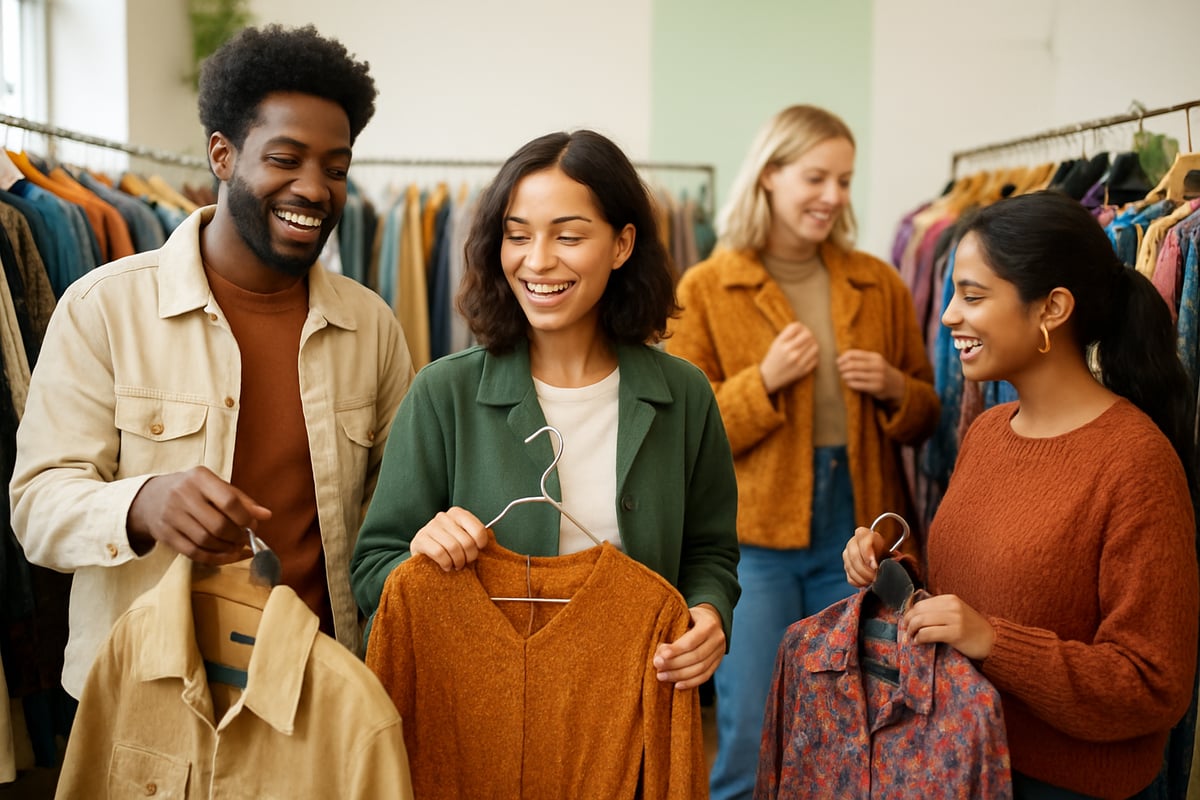
The decision to buy vintage clothing plays a crucial role in reducing the environmental impact of fashion. Unlike fast fashion, which contributes to excessive textile waste and carbon emissions, vintage shopping extends the life cycle of garments and keeps them out of landfills. According to recent studies, buying secondhand can save thousands of liters of water and significantly cut down on greenhouse gases.
Consumer demand for sustainable apparel is at an all-time high. The rise of the circular fashion economy means more people are reusing, recycling, and repurposing clothing. Major brands have started integrating vintage collections into their offerings, responding to this shift in values. To understand the broader impact, explore the environmental sustainability of vintage fashion.
By choosing to buy vintage clothing, you help shape a more responsible, eco-friendly future for the industry.
Unique Style & Quality
One of the most enticing reasons to buy vintage clothing is the opportunity to stand out with one-of-a-kind finds. Vintage garments often feature superior craftsmanship, durable fabrics, and attention to detail that is rare in modern mass-produced clothing.
Celebrities and style icons are frequently seen wearing iconic vintage pieces, influencing fashion trends across the globe. Each vintage item carries a history, allowing you to connect emotionally with the past while expressing your individuality.
Wearing vintage is not just about aesthetics. It is about embracing stories, memories, and artistry that set you apart from the crowd.
Economic Benefits
Buying vintage clothing is often more affordable than purchasing new designer items. Shoppers can discover high-quality pieces at a fraction of the original price, making it easier to build a distinctive wardrobe on a budget.
Rare and well-preserved vintage items may even appreciate in value over time. The growing resale market highlights the investment potential of select garments, as demand for unique fashion continues to rise. In recent years, the value of vintage clothing has increased, attracting both collectors and first-time buyers.
Choosing to buy vintage clothing is not just a smart financial move, it is also a way to invest in timeless style.
Cultural & Social Impact
When you buy vintage clothing, you support local businesses and small-scale sellers who are passionate about preserving fashion history. Shopping vintage fosters a sense of community, whether through in-person events, online groups, or local markets.
Vintage fashion also serves as a statement of individuality and social consciousness. By choosing pre-loved garments, you contribute to a culture that values uniqueness and ethical consumption.
Attending vintage fairs and connecting with like-minded enthusiasts can transform shopping into a meaningful, community-driven experience.
How to Identify Authentic Vintage Clothing
Navigating the world of vintage can be thrilling, but knowing how to identify authentic pieces is crucial if you want to confidently buy vintage clothing. Whether you are new to collecting or a seasoned enthusiast, understanding these essentials ensures you make informed choices and avoid costly mistakes. Let us break down the key steps to spot true vintage treasures.
Understanding Vintage vs. Retro vs. Reproduction
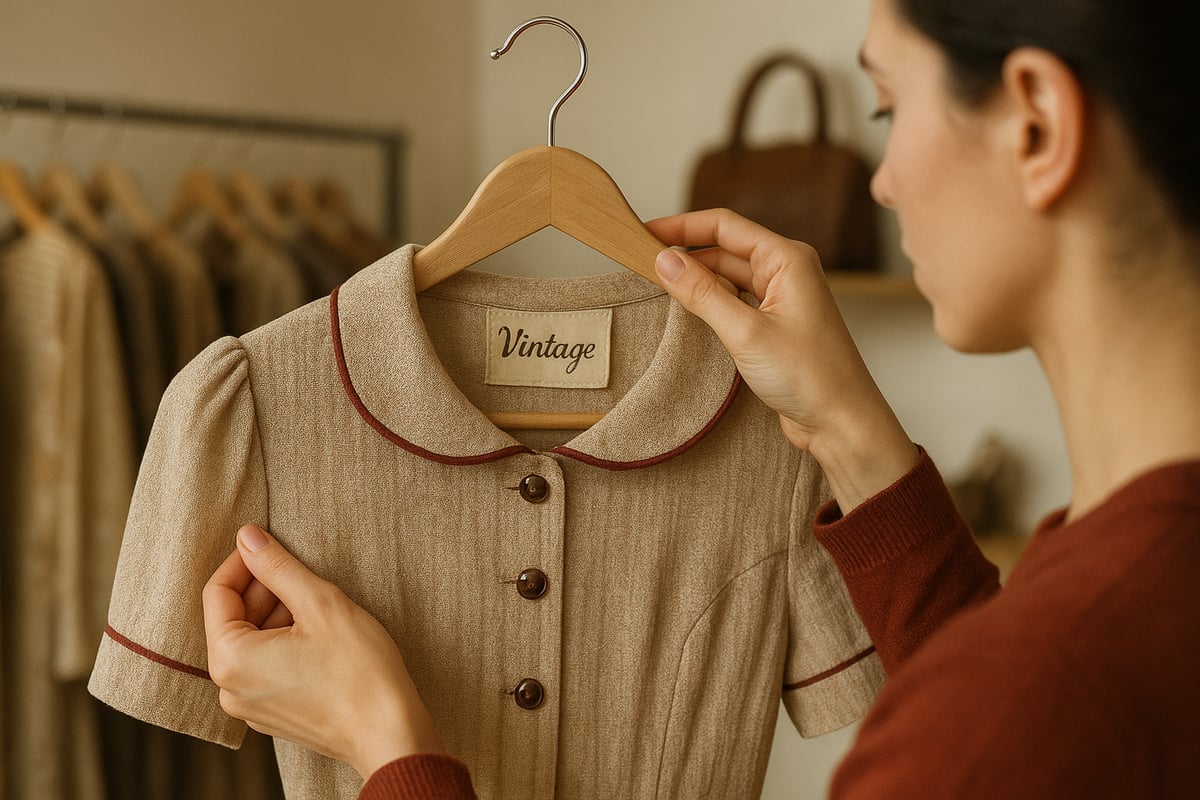
To buy vintage clothing wisely, it is essential to distinguish between true vintage, retro, and reproductions. Vintage refers to garments that are at least 20 years old, often reflecting the style and craftsmanship of their era. Retro items are newly made but inspired by past fashions, while reproductions are exact copies of older designs, sometimes made using modern materials.
Many shoppers confuse these categories, believing that any old-looking piece is vintage. However, only genuine vintage offers the unique blend of history and quality that collectors seek. When you buy vintage clothing, always check the item’s age and origin to confirm its status.
Key Features of Authentic Vintage
Authentic vintage pieces stand out due to their distinctive features. Labels and tags are a great starting point. Look for older brand logos, union labels, or country-of-origin marks. Construction techniques, such as hand-finished seams, natural fabrics, and unique hardware like metal zippers or bakelite buttons, also signal authenticity.
Here are some quick identifiers to consider:
- Original labels with faded printing or unique fonts
- Heavier fabrics and intricate linings
- Hardware that shows age, such as tarnished zippers
Learning these details helps you buy vintage clothing that is truly from the era you desire.
Dating Vintage Garments
Dating a garment accurately is a skill every vintage shopper should develop. Start by examining union labels and care tags, which often include codes or styles linked to specific decades. Fashion history knowledge is also valuable—different eras have distinct silhouettes and trends.
For example, 1970s bell-bottoms are instantly recognizable by their bold flared legs, while the 1990s grunge look favors oversized flannel shirts and distressed denim. When you buy vintage clothing, compare these details to known era characteristics for confirmation.
Spotting Fakes and Reproductions
Unfortunately, the popularity of vintage has led to an influx of fakes and reproductions. Watch for red flags such as synthetic fabrics that were not common in certain eras, sloppy stitching, or finishes that do not match the period. Online resources and community forums can help you verify authenticity.
If you are unsure, explore a Vintage clothing collection overview to familiarize yourself with genuine examples and avoid mistakes when you buy vintage clothing. Case studies of famous fakes show that even experts can be fooled, so always approach rare finds with caution.
Condition Grading and What It Means
Condition grading is another vital factor when you buy vintage clothing. Sellers often use terms like mint, excellent, good, fair, and as-is to describe an item’s state. This affects not just the value but also wearability and longevity.
| Grade | Description |
|---|---|
| Mint | No signs of wear, like new |
| Excellent | Minor wear, no significant flaws |
| Good | Noticeable wear but still wearable |
| Fair | Some damage, needs repair |
| As-Is | Significant flaws, for restoration only |
If you find a piece you love but it needs minor repairs, simple fixes like replacing buttons or stitching hems can restore its charm. Always weigh the cost and effort of repairs before you buy vintage clothing, and consider how condition impacts your decision.
Where to Buy Vintage Clothing in 2026
Exploring where to buy vintage clothing in 2026 opens up a world of choices for every style and budget. Whether you prefer browsing curated boutiques or scrolling through digital platforms, there are more ways than ever to discover authentic, one-of-a-kind pieces.
Brick-and-Mortar Vintage Stores
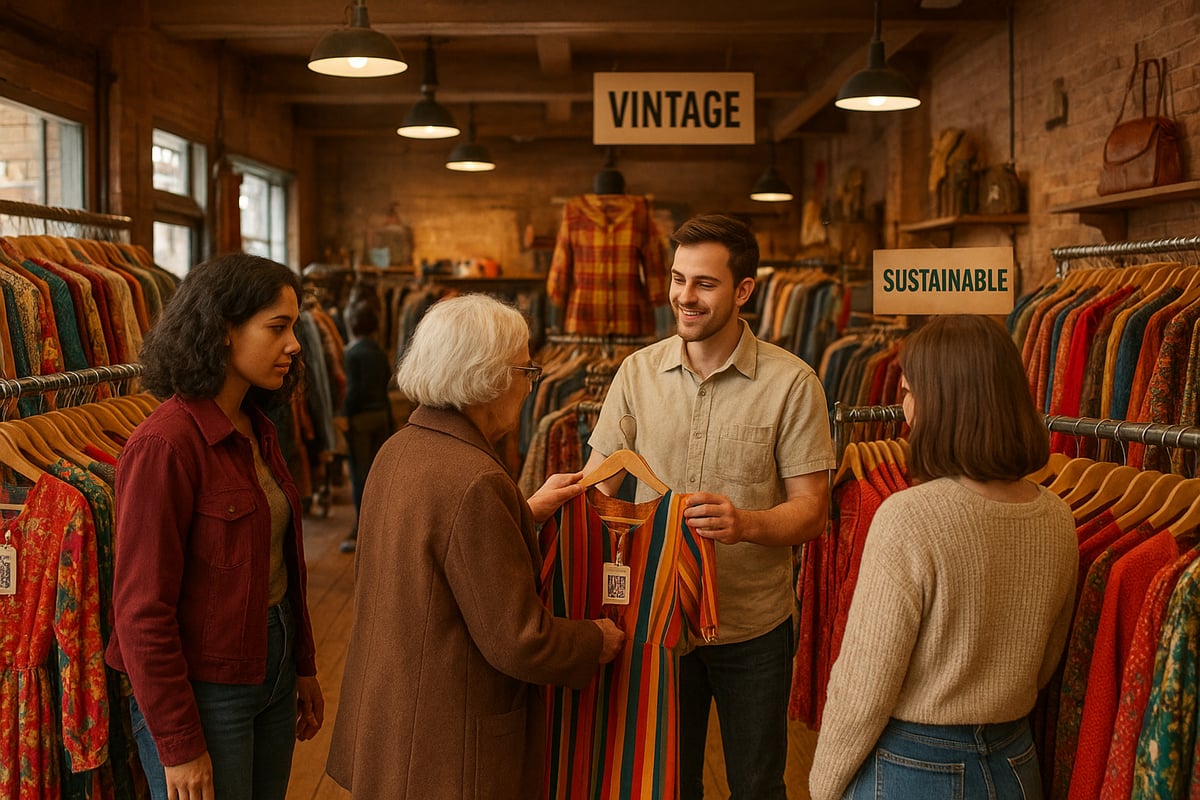
For many, the tactile experience of shopping in brick-and-mortar vintage stores remains unmatched. These shops let you inspect items up close, try on garments for fit, and receive advice from knowledgeable staff.
You will often find stores organized by era or style, making it easier to buy vintage clothing that suits your taste. Pricing can vary, but many shops are open to negotiation, especially for regular customers or bulk purchases.
Notable vintage shops in major cities like New York, London, and Tokyo offer extensive selections and expert curation. Visiting local stores also supports small businesses and fosters community connections.
Online Marketplaces and Platforms
Digital platforms have revolutionized how people buy vintage clothing. Leading global marketplaces such as eBay, Etsy, Depop, and Poshmark offer vast selections, from affordable basics to rare designer finds.
Specialized vintage clothing sites curate collections with strict authentication standards, giving buyers confidence in their purchases. When shopping online, always check seller reviews, return policies, and use secure payment options.
The Top fashion trends in 2025: Vintage, Gen Z's influence and more highlight how vintage fashion's accessibility and quality continue to drive demand on these platforms. Staying informed about trends can help you spot desirable pieces before they sell out.
Thrift Stores, Flea Markets, and Estate Sales
If you enjoy the thrill of the hunt, thrift stores, flea markets, and estate sales are excellent places to buy vintage clothing at bargain prices. These venues often yield unexpected treasures, from classic denim to designer accessories.
Timing is important. Visiting at the start of a new season or during special sale events increases your chances of finding unique items. Ask staff about restocking schedules for the best selection.
Many vintage enthusiasts have uncovered rare pieces at local thrift stores or scored high-value items at estate sales, making these spots ideal for both beginners and seasoned collectors.
Vintage Fairs and Pop-Up Events
Vintage fairs and pop-up events offer immersive shopping experiences where you can interact directly with sellers and other collectors. These community-driven gatherings often feature curated selections, live music, and workshops.
Networking with vendors and enthusiasts can lead to valuable insights and future buying opportunities. Prepare by bringing cash, reusable bags, and a list of questions about authenticity or garment care.
Attending these events is a great way to buy vintage clothing in a lively, supportive environment, while also discovering new trends and building relationships within the vintage scene.
Social Media & Community Groups
Social media platforms have become powerful tools for those looking to buy vintage clothing. Instagram shops and Facebook groups regularly feature fresh inventory, exclusive drops, and direct seller interactions.
Following relevant hashtags and accounts helps you stay updated on new arrivals and upcoming sales. Engaging with trusted sellers and other buyers fosters a sense of community and ensures a safe, enjoyable shopping experience.
Building relationships in these groups often leads to personalized recommendations and early access to coveted pieces, making social media an essential resource for modern vintage shoppers.
Step-by-Step Guide: How to Buy Vintage Clothing Like a Pro
Ready to buy vintage clothing with confidence? This step-by-step guide will help you master the process, avoid common pitfalls, and discover pieces that truly resonate with your style and values. Whether shopping online or in person, these expert strategies ensure every vintage purchase is a smart investment in your wardrobe.
Step 1: Define Your Vintage Style and Goals
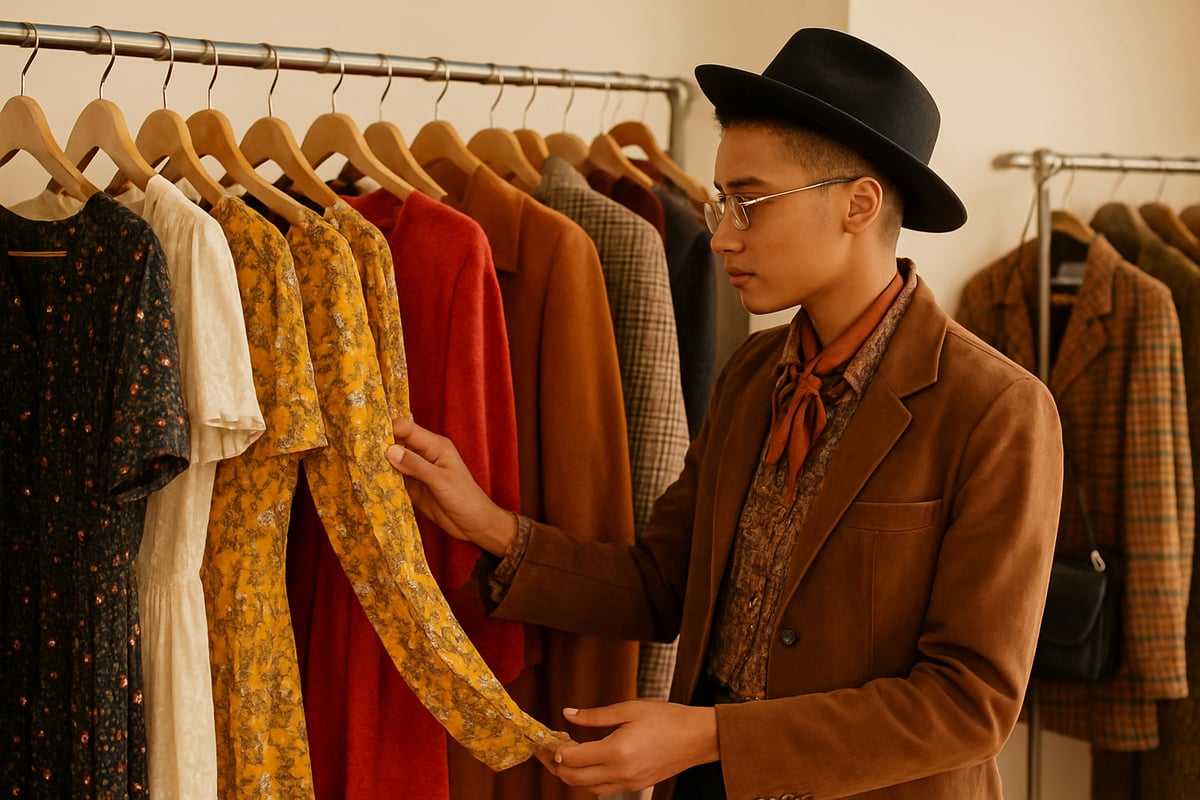
Before you buy vintage clothing, take time to identify the eras and aesthetics that inspire you. Do you love the glamour of the 1950s, the bold prints of the 1970s, or the minimalism of the 1990s?
Start by creating a mood board or wishlist. Collect photos, fabric swatches, and color palettes that reflect your personal taste. This focused approach helps you make intentional choices, so you do not feel overwhelmed by endless options when you shop.
Consider your lifestyle needs. Are you searching for statement pieces for special occasions, or everyday staples? Knowing your goals will streamline your search and help you buy vintage clothing that you will cherish for years.
Step 2: Research Sizing and Fit
Sizing is one of the biggest challenges when you buy vintage clothing, as vintage sizing often differs from modern standards. Always check size charts by decade, and remember that a size 10 from the 1960s may fit more like a size 6 today.
Take your own measurements accurately using a soft tape measure. Key measurements include bust, waist, hips, shoulders, and inseam. Bring these numbers with you when shopping in person, or keep them handy when browsing online listings.
Many sellers provide garment measurements in their descriptions. Compare these to your own for the best fit. If in doubt, ask for additional photos or clarification to confidently buy vintage clothing that will suit your body type.
Step 3: Set a Budget and Prioritize Purchases
Establishing a budget early helps you buy vintage clothing without overspending. Prices vary widely based on era, rarity, and condition, so do some research to understand average ranges for your desired pieces.
Prioritize your wishlist. Decide which items are must-haves and which are nice-to-have. Allocate more funds for rare or high-quality investment pieces, such as designer coats or pristine dresses from iconic brands.
Remember, subtle flaws are common in vintage, often reflected in the price. Factor in potential cleaning or minor repairs when setting your budget, so you can buy vintage clothing that meets your expectations without surprises.
Step 4: Evaluate Authenticity and Condition
When you buy vintage clothing, authenticity is key. Inspect labels, tags, and brand markings for era-appropriate details. Check construction techniques, such as hand-finished seams or metal zippers, to verify age.
Examine the garment’s overall condition. Look for stains, tears, fading, or missing buttons. Use a small UV light or magnifier for a closer inspection if possible. Ask sellers about any repairs or alterations, and request detailed photos if shopping online.
Use a simple grading table to assess value:
| Grade | Description |
|---|---|
| Mint | Like new, no flaws |
| Excellent | Minimal wear, minor flaws |
| Good | Some visible wear |
| Fair | Noticeable damage |
| As-is | Needs significant repair |
Being thorough helps you buy vintage clothing that is both authentic and wearable.
Step 5: Try On or Visualize Fit
Trying on before you buy vintage clothing is ideal, but not always possible. In-store, wear fitted layers for easy changing and move naturally to test comfort. For online purchases, ask for additional photos from various angles and inquire about the model’s measurements.
Some platforms offer virtual fitting tools or allow returns for ill-fitting items. Use these resources to make informed decisions. If you cannot try pieces on, visualize how the garment will look and feel by comparing its measurements to your favorite modern clothes.
A careful approach ensures you buy vintage clothing that not only fits but also flatters your shape and style.
Step 6: Negotiate and Complete Your Purchase
Negotiation is a common part of the process when you buy vintage clothing. Approach sellers with respect and ask if they are open to offers, especially for items with minor flaws or when purchasing multiple pieces.
Understand the shop’s return policy and guarantees before finalizing your purchase. Always use secure payment methods, such as credit cards or reputable online payment systems, to protect your transaction.
After you buy vintage clothing, request a receipt or confirmation for your records. Clear communication and polite negotiation can lead to better deals, building lasting relationships with trusted sellers.
Step 7: Document and Care for Your Finds
Once you buy vintage clothing, document your finds for insurance or potential resale. Take clear photographs, note key details, and keep copies of receipts. Proper care is essential to preserve the value and longevity of your garments.
Begin with gentle cleaning and minor repairs before wearing. For more detailed guidance, consult resources such as How to care for vintage clothing, which offer expert tips on cleaning and maintaining delicate fabrics.
By following these steps, you will buy vintage clothing like a true professional, ensuring each piece remains a cherished investment in your sustainable and stylish wardrobe.
Caring for and Styling Your Vintage Clothing
Keeping your vintage wardrobe in top shape is essential to maximize both its lifespan and style impact. When you buy vintage clothing, proper care ensures that every piece remains a standout in your collection for years to come.
Cleaning and Maintenance Best Practices
When you buy vintage clothing, gentle cleaning is key. Always check care labels first, as many vintage fabrics require special handling. If a label is missing, test a small hidden area with water before washing.
- Hand wash delicate silks and rayons in cool water with mild detergent.
- Use mesh bags for machine washing sturdy cottons or denim.
- Never wring or twist garments; instead, press out water gently with a towel.
Dry cleaning is best for wool, structured garments, and anything with embellishments. Air dry away from direct sunlight to prevent fading. Storing vintage pieces properly is just as important. Use padded hangers for dresses and blouses, fold knits to avoid stretching, and place cedar blocks or lavender sachets in your closet to deter moths.
When you buy vintage clothing, regular inspections help catch small stains or fabric issues early, making maintenance easier.
Repair and Restoration Tips
Even the best cared-for pieces may eventually need repairs. When you buy vintage clothing, knowing basic restoration skills can save you money and preserve originality.
Simple fixes include replacing missing buttons, re-sewing loose hems, and mending minor tears. For more complex issues, such as restoring lace or repairing lining, consult a tailor experienced with vintage garments.
- Use thread that matches the era for authenticity.
- Patch from the inside to keep repairs discreet.
- Avoid iron-on patches, which can damage delicate fabrics.
If a zipper sticks, rub it with a graphite pencil. For stains, spot treat with a gentle solution and avoid harsh chemicals. Always keep a small sewing kit on hand. Remember, professional restoration is best for valuable pieces, especially if you plan to resell them after you buy vintage clothing.
Styling Vintage for Modern Wear
Styling is where your creativity shines after you buy vintage clothing. Mix eras and textures to create a look that is uniquely yours. Pair a 1970s blouse with contemporary jeans, or layer a vintage blazer over a modern dress for contrast.
Accessorizing is key to updating your vintage finds. Statement belts, bold jewelry, and scarves can transform an outfit instantly. For inspiration and unique pieces, shop vintage-inspired accessories to complement your wardrobe.
- Combine vintage and modern pieces for balance.
- Use accessories to highlight or tone down prints.
- Follow current trends by updating silhouettes with contemporary shoes or bags.
Celebrities and influencers in 2026 are often seen blending vintage with new, proving that when you buy vintage clothing, your style options are endless.
Preserving Value for Resale
If you plan to resell after you buy vintage clothing, preservation is essential. Keep garments in breathable garment bags and avoid plastic, which can trap moisture and cause mildew.
Document each item's origin, brand, and any alterations. Store receipts, tags, and photos together for provenance. Clean garments before storing, and repair minor flaws promptly.
Monitor the resale market to understand which styles are trending. Proper care not only increases the longevity of your collection but also helps maximize its investment potential when you decide to sell.
The Future of Vintage Fashion: Trends & Predictions for 2026
As we look ahead, the future of vintage fashion is set to transform how we buy vintage clothing. New technology, shifting consumer values, and evolving styles are already shaping the way enthusiasts and newcomers approach the vintage market. Let us explore the key trends and predictions that will define the vintage experience in 2026.
Technology and Vintage Shopping
Technology is revolutionizing how people buy vintage clothing. AI-driven authentication tools are making it easier to verify the authenticity of garments, reducing the risk of counterfeits. Virtual try-on experiences let shoppers visualize fit and style before purchasing, bridging the gap between online and in-store shopping.
Blockchain technology is also gaining traction for provenance tracking, allowing buyers to access a transparent history of an item's ownership and care. These innovations are making vintage shopping more accessible, secure, and enjoyable for everyone.
Shifting Consumer Preferences
Consumer interest in sustainability and individuality continues to grow, fueling demand to buy vintage clothing. Younger generations, especially Gen Z, are leading this movement by choosing secondhand and vintage pieces over fast fashion. Social platforms like TikTok and Instagram play a major role in spotlighting vintage trends and inspiring creative styling.
Recent reports, such as The Trending Fashion Aesthetics Gen Zers Are Shopping Secondhand, highlight how Gen Z’s passion for unique aesthetics is driving the rise of secondhand shopping and vintage styles.
Emerging Styles and Eras in Demand
The styles gaining momentum in 2026 reflect nostalgia and a renewed appreciation for past decades. Expect to see a surge in demand for 1990s grunge, Y2K-inspired looks, and early 2000s streetwear. Niche subcultures, such as rave and cyber-inspired fashion, are also influencing mainstream vintage trends.
According to The Biggest Vintage Trends Of 2025, According To The Experts, these eras are forecasted to dominate the vintage scene, making it an exciting time to buy vintage clothing for both collectors and casual shoppers.
The Role of Community and Local Businesses
Community remains at the heart of vintage fashion’s future. Pop-up events, collaborative markets, and local fairs create unique opportunities to buy vintage clothing from independent sellers and artisans. These gatherings foster relationships, encourage knowledge sharing, and support small businesses.
Shoppers are increasingly valuing the experience of connecting with others who share a passion for vintage, making local events an essential part of the vintage ecosystem in 2026.
Challenges and Opportunities
As demand to buy vintage clothing rises, there are new challenges and opportunities. Sourcing authentic pieces may become more difficult, and balancing affordability with rarity will require careful market navigation. However, these challenges open doors for entrepreneurs and innovators who can offer creative solutions.
Opportunities abound for those who can leverage technology, build strong communities, and curate unique inventory. The future of vintage fashion promises growth, diversity, and endless inspiration for anyone ready to embrace it.
As we’ve explored together, buying vintage clothing isn’t just about finding sustainable and unique wardrobe pieces—it’s about joining a passionate community that values creativity, quality, and genuine connection. At Bliss Marketplace, Stacy and Sydnei have created a welcoming space where you can discover one of a kind treasures while supporting local makers and embracing the stories behind each garment. If you’re ready to start your own vintage journey and find pieces that truly reflect your style, I invite you to Shop Now and experience the joy of vintage fashion firsthand.