
Step into the world of 1940s vintage clothing, where fashion tells a story of resilience, elegance, and enduring charm. Imagine the allure of iconic silhouettes and practical designs that defined an era shaped by history and creativity.
This guide will show you how to wear 1940s vintage clothing authentically in 2026, blending historical detail with contemporary style. Discover key trends, essential wardrobe pieces, expert shopping tips, modern styling ideas, and care techniques to help you bring vintage fashion to life today.
The Essence of 1940s Fashion: Key Trends and Influences
Take a moment to imagine the world of 1940s vintage clothing—a time when fashion was shaped by global events, ingenuity, and a desire for beauty amid adversity. To truly appreciate these timeless styles, it is essential to understand the trends and influences that defined the decade.
Wartime Impact on Style
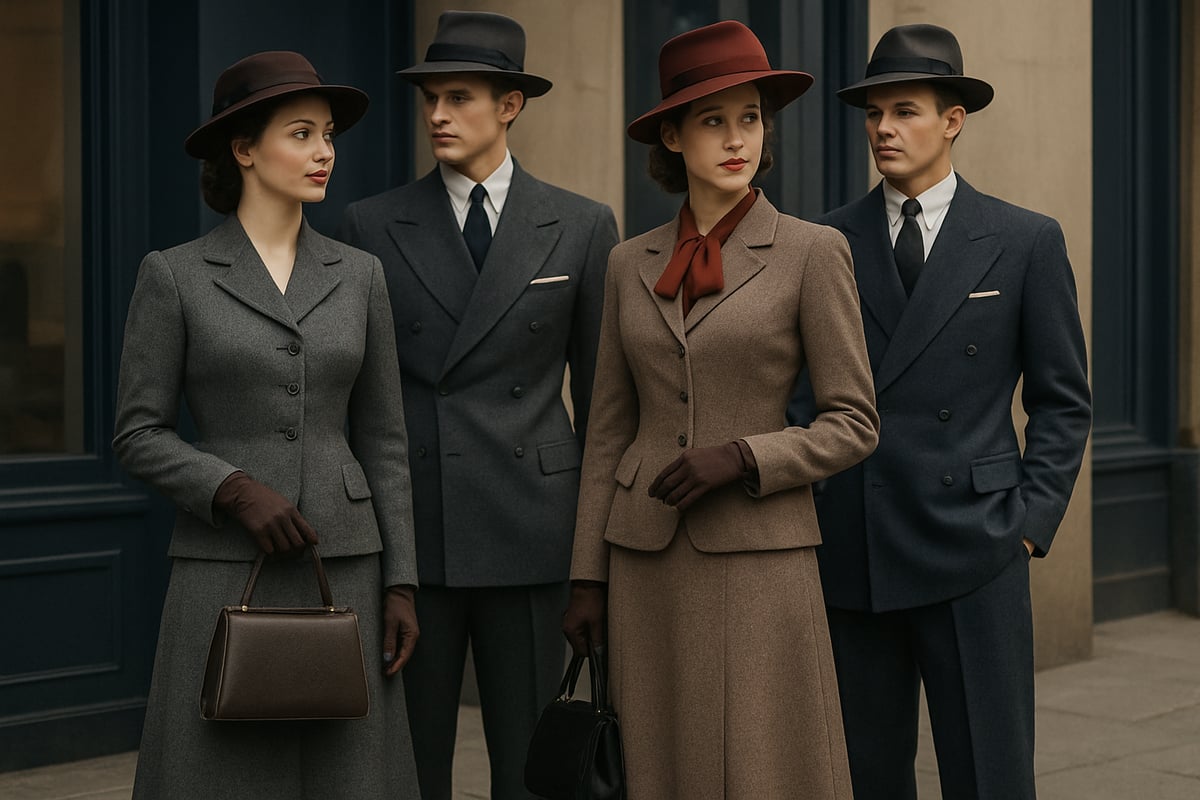
The outbreak of World War II dramatically reshaped 1940s vintage clothing. Rationing and fabric shortages forced designers and everyday people to get creative. Utility clothing became the norm, as garments had to be practical and resourceful. The "make do and mend" mindset encouraged people to repair and repurpose existing items, rather than buy new.
Military uniforms inspired civilian fashion, with structured tailoring and shoulder pads becoming widespread. Victory suits, A-line skirts, and durable fabrics like wool and rayon became staples. For a deeper dive into how these wartime realities influenced style, see the 1940s Fashion History Lesson.
Iconic Silhouettes and Details
A defining feature of 1940s vintage clothing is the hourglass silhouette. This was achieved through nipped-in waists, padded shoulders, and full skirts. Tea dresses and shirtwaist dresses were everyday essentials, while peplum jackets added a touch of drama.
Despite fabric limitations, bold prints, polka dots, and florals made their way into wardrobes. Contrast collars, decorative buttons, and ruched sleeves provided flair without excess. These details reflected both creativity and the desire to maintain elegance during challenging times.
Color Palettes and Fabrics
Color choices in 1940s vintage clothing were shaped by practicality and availability. Neutral and muted tones such as navy, olive, and beige dominated, accented by splashes of red, blue, and green. This palette balanced understated charm with strategic pops of color.
Popular fabrics included wool, rayon, gabardine, and cotton. According to online marketplaces, over 1,000 cotton vintage pieces from this era are available, alongside numerous items in satin, lace, and wool. These materials offered durability and comfort, while still allowing for expressive style.
| Fabric | Common Colors | Typical Use |
|---|---|---|
| Wool | Navy, Olive, Beige | Suits, Coats, Skirts |
| Rayon | Red, Blue, Green | Dresses, Blouses |
| Gabardine | Neutral, Muted | Outerwear, Trousers |
| Cotton | Florals, Polka Dots | Day Dresses, Shirts |
Hollywood Glamour and Everyday Wear
Hollywood stars had a profound influence on 1940s vintage clothing. Icons like Rita Hayworth and Katharine Hepburn brought glamour to the screen and inspired millions. There was a clear distinction between practical daywear and luxurious eveningwear.
For daily life, modest and functional outfits prevailed—shirtwaist dresses and tailored suits were common. In contrast, evenings called for bias-cut gowns, fur-trimmed coats, and more opulent fabrics. This duality allowed individuals to embrace both practicality and sophistication.
Accessories and Finishing Touches
No 1940s vintage clothing ensemble is complete without the right accessories. Hats, gloves, and snoods were essential for women, adding polish to every look. Structured handbags and practical shoes, such as oxfords, peep-toe heels, and wedges, balanced style with comfort.
Jewelry played a key role in self-expression. Brooches, strands of pearls, and colorful Bakelite bangles were popular choices. These finishing touches elevated even the simplest outfits, ensuring every detail reflected the era's enduring sense of style.
Building a 1940s-Inspired Wardrobe for 2026
Creating an authentic 1940s vintage clothing wardrobe for 2026 is both a rewarding and practical journey. By thoughtfully selecting garments, mastering fit, and blending vintage with modern elements, you can capture the era’s timeless elegance while expressing your individual style.
Essential Clothing Pieces for Women
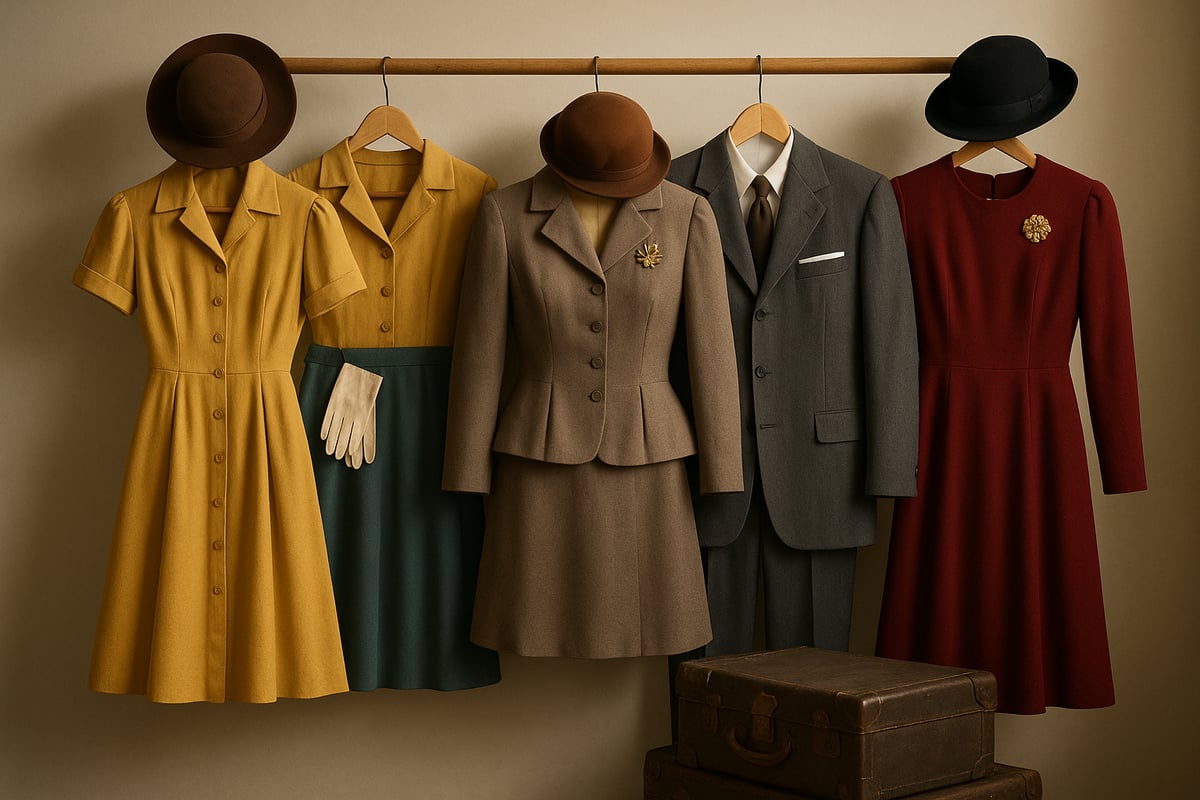
Building a women’s 1940s vintage clothing collection starts with key staples. The shirtwaist dress is a versatile must-have, flattering most figures and suitable for day or evening. Pair it with A-line or pencil skirts for variety, allowing easy transitions from work to leisure. Cardigans and sweaters provide warmth and authentic layering, while tailored coats or swing jackets add structure.
Outerwear choices often include fur stoles for glamour or practical trench coats for everyday use. High-waisted, wide-leg trousers inspired by wartime workwear lend comfort and sophistication, ensuring your 1940s vintage clothing wardrobe is both fashionable and functional.
Essential Clothing Pieces for Men
A well-rounded men’s 1940s vintage clothing wardrobe focuses on timeless tailoring and classic silhouettes. Suits in single- or double-breasted styles with broad shoulders and narrow waists are foundational. Knitwear, such as vests and sweaters in muted tones, offers warmth and versatility. Crisp, collared shirts—often with subtle stripes or prints—anchor any look.
Trousers should be pleated, high-waisted, and finished with cuffed hems for period accuracy. For outerwear, opt for trench coats, bomber jackets, or wool overcoats. Each piece embodies the refined, practical spirit of 1940s vintage clothing.
Sizing, Fit, and Alterations
When shopping for 1940s vintage clothing, understanding sizing is crucial. Vintage garments from the 1940s typically run smaller than today’s standards. Always measure yourself accurately and compare with item measurements before purchasing.
Trying on pieces when possible helps ensure comfort and authenticity. Tailoring is often necessary for a flattering, contemporary fit. Skilled alterations can modernize silhouettes without sacrificing the integrity of 1940s vintage clothing, making each piece uniquely yours.
Mixing Vintage and Modern
Integrating 1940s vintage clothing into your 2026 wardrobe allows for creative styling. Pair a vintage blouse with modern jeans or a classic skirt for a fresh look. Contemporary accessories, such as minimalist jewelry or sleek handbags, can bridge eras effortlessly.
Experiment by layering cardigans or jackets over modern basics. Mixing old and new not only highlights the versatility of 1940s vintage clothing but also helps you develop a signature style that feels both nostalgic and current.
Sourcing Authentic and Reproduction Pieces
Finding genuine 1940s vintage clothing can be a rewarding treasure hunt. Explore vintage boutiques, trusted online marketplaces, and specialty retailers for original garments. High-quality reproductions are also popular, offering period-accurate designs in a wider range of sizes and fabrics.
When shopping, prioritize reputable sellers and inspect garment details closely. For comprehensive advice on where to source authentic pieces, refer to this Where to Buy Vintage Clothing guide, which covers both physical and online options for 1940s vintage clothing seekers.
Budgeting and Investment Tips
Curating a 1940s vintage clothing wardrobe does not require a limitless budget. Focus on versatile staples like dresses, suits, and outerwear as investment pieces. Shop sales, visit vintage fairs, and negotiate prices at local shops for bargains.
Restoration and maintenance costs should also be considered, especially for delicate or rare garments. Prioritize quality over quantity, and gradually build your 1940s vintage clothing collection for lasting value and enjoyment.
How to Shop for 1940s Vintage Clothing in 2026
Shopping for 1940s vintage clothing in 2026 combines historical research, careful sourcing, and modern convenience. Whether you are a seasoned collector or a newcomer, understanding the process will help you find authentic, stylish pieces. Let’s break down each step for a seamless shopping experience.
Research and Preparation
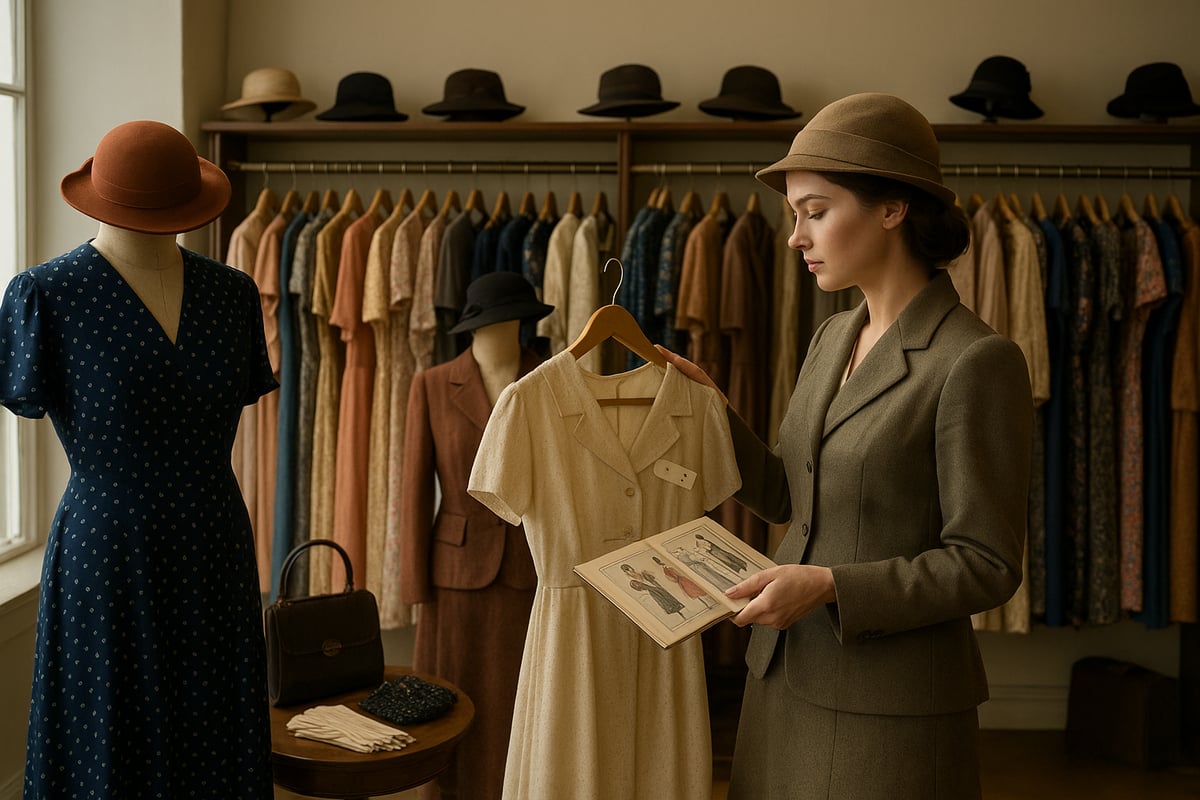
Start your 1940s vintage clothing journey with research. Learn to identify labels from the era, typical materials like wool and rayon, and signature construction details such as hand-sewn seams or metal zippers. Reference photos and guides help you recognize era-appropriate silhouettes and prints. Create a wish list based on your wardrobe needs and style goals. For a deeper dive into the era’s fashion history and visual cues, explore comprehensive resources like the 1940s Fashion Trends Guide.
Where to Find 1940s Vintage Clothing
You can source 1940s vintage clothing through several channels. Visit vintage boutiques and thrift shops to see garments in person and assess quality. Antique malls and estate sales often yield unique finds. Online, platforms like eBay and Etsy offer filters by decade, color, and fabric, making it easy to narrow your search. Attend vintage fairs and pop-up events for curated selections and the opportunity to connect with knowledgeable sellers.
Evaluating Condition and Authenticity
Carefully examine garments for signs of authenticity and wear. Look for original tags, period-appropriate fastenings like metal zippers, and hand-finished details inside seams. Check for damage such as frayed fabric, missing buttons, or weakened seams. Some repairs are acceptable, especially if they use vintage materials, but extensive alterations may affect value. Authentic 1940s vintage clothing often shows gentle aging, but avoid items with severe structural issues.
Navigating Sizes and Returns
Vintage sizing differs significantly from today’s standards. Always review sizing charts and request precise measurements from sellers. Try on items when possible, or compare listed measurements to your own clothes. Communicate clearly with online sellers to clarify fit and ask for additional photos if needed. Review return policies before purchase, as many vintage platforms have strict or final sale terms. This due diligence will help ensure your 1940s vintage clothing fits beautifully.
Avoiding Common Pitfalls
Stay vigilant to avoid reproductions or misrepresented items. Red flags include plastic zippers, synthetic fabrics not available in the 1940s, or modern sewing techniques. Watch for anachronistic styles that don’t match the era’s silhouette. On platforms like eBay, thousands of unbranded and handmade items are listed, so vet sellers carefully. Use reference images to compare details, and ask questions about provenance if you have doubts about a piece’s authenticity.
Building Relationships with Sellers
Cultivating relationships with reputable vintage vendors offers many benefits. Regular buyers often receive early access to new arrivals and styling advice. Ask sellers about a garment’s provenance and care history, and seek their recommendations for future purchases. Join vintage communities online or locally to exchange tips, learn about upcoming events, and gain exclusive access to rare 1940s vintage clothing finds.
Styling 1940s Vintage Clothing: Modern Tips for 2026
Channeling the spirit of 1940s vintage clothing in 2026 is about more than nostalgia. It is about translating timeless elegance into your daily routine and expressing individuality through authentic, thoughtful styling. Whether you are dressing for a themed event or weaving vintage into your modern wardrobe, the right approach will ensure your look feels both classic and current.
Creating Authentic 1940s Looks
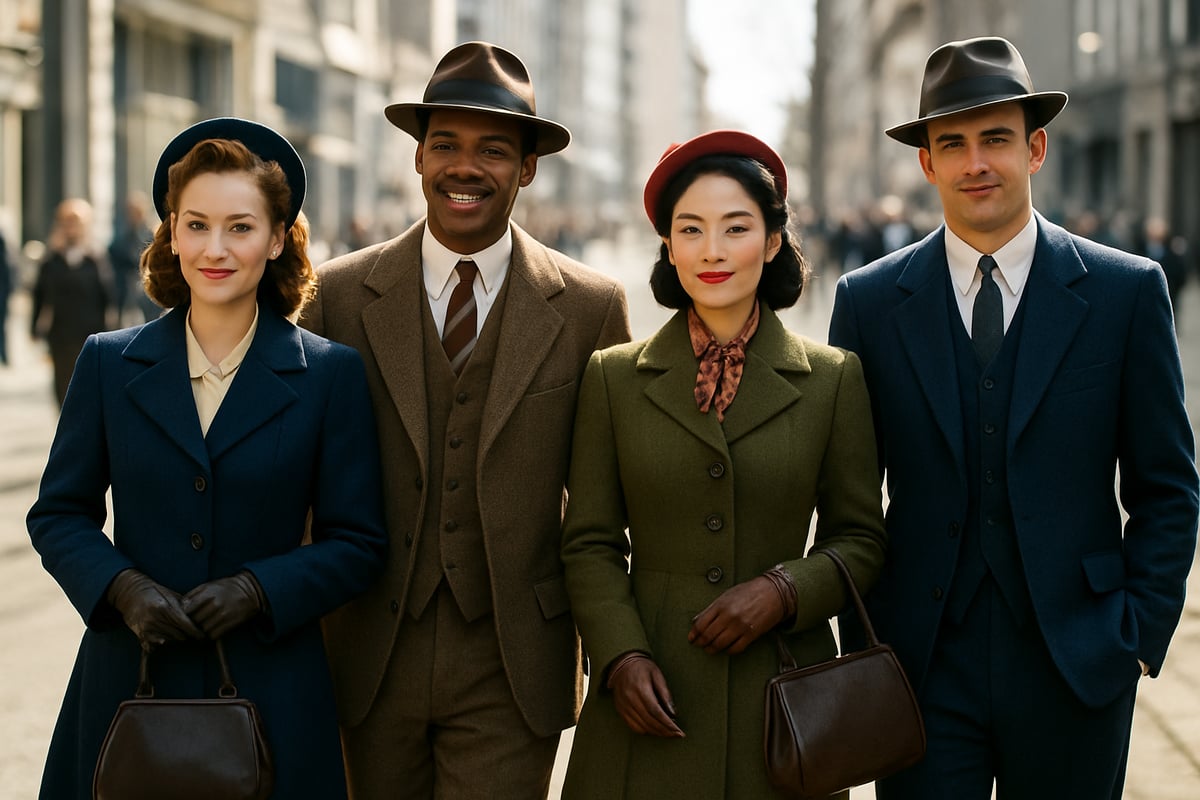
To achieve a genuine 1940s vintage clothing look, attention to silhouette and detail is essential. Start by building your outfit around a nipped waist, padded shoulders, and a fuller skirt or wide-leg trousers. Layering is key—slips, petticoats, and structured undergarments help create that coveted hourglass shape.
Accessories play a vital role. Add a period-appropriate hat, gloves, and a structured handbag to elevate your ensemble. For a finishing touch, seek out jewelry such as brooches or Bakelite bangles.
By focusing on these elements, you can reconstruct historically accurate outfits that celebrate the enduring appeal of 1940s vintage clothing.
Blending Vintage with Contemporary Fashion
Making 1940s vintage clothing relevant in 2026 means skillfully mixing eras. Pair a floral tea dress with sleek white sneakers for a street-ready twist. Tuck a puff-sleeve blouse into modern high-waisted jeans for effortless daywear.
Influencers and designers continue to reinterpret 1940s style, often blending bold prints with minimalist accessories. For more practical inspiration on how to incorporate vintage into your everyday look, explore 1940s Fashion Trends Today.
Balance is crucial in these combinations. The result is a wardrobe that feels both nostalgic and fresh, using 1940s vintage clothing as a foundation for personal expression.
Seasonal Styling: Year-Round Vintage
Adapting 1940s vintage clothing for all seasons requires creative layering and fabric choices. In winter, opt for a wool coat layered over a knit sweater and midi skirt. Add woolen tights and sturdy oxfords for warmth.
For spring and summer, lightweight rayon or cotton dresses keep you cool while maintaining a vintage silhouette. Swap darker tones for cheerful florals or polka dots to reflect the season.
With a flexible approach to layering, you can enjoy the sophistication of 1940s vintage clothing no matter the weather or occasion.
Gender-Inclusive and Adaptive Styling
The versatility of 1940s vintage clothing allows for inclusive and adaptive styling across all genders and body types. Utility jackets, high-waisted trousers, and vests offer unisex appeal and practical comfort.
Tailoring is essential for a personalized fit. Many vintage pieces can be altered to accommodate different shapes or mobility needs. Adaptive solutions, such as hidden closures or elastic waistbands, can be added without compromising style.
By embracing these options, everyone can confidently wear 1940s vintage clothing and make it their own.
Accessorizing for Impact
Accessories are the secret to making 1940s vintage clothing stand out. Choose hats like berets, turbans, or pillbox styles for a statement look. Gloves and structured handbags add polish to any ensemble.
Footwear should be both stylish and practical. Oxfords work well for day, while peep-toe heels bring glamour to evening outfits. Jewelry, including pearls and brooches, provides the perfect finishing touch.
Thoughtful accessorizing not only completes your look, it also reinforces the authenticity of your 1940s vintage clothing.
Hair and Makeup for the 1940s Vibe
No 1940s vintage clothing ensemble is complete without period-inspired hair and makeup. Victory rolls, pin curls, and soft updos capture the essence of the era and frame the face beautifully.
For makeup, focus on a flawless complexion, winged eyeliner, and bold red lips. Natural brows and subtle blush complete the look. If you prefer a modern twist, incorporate one or two vintage elements into your everyday routine for a subtle nod.
By blending classic beauty techniques with your personal style, you enhance the overall effect of 1940s vintage clothing.
Inspiration from Pop Culture and Media
Film, television, and contemporary designers continue to draw on 1940s vintage clothing for creative inspiration. Shows like “Agent Carter” and “The Crown” showcase authentic period styling, while modern celebrities reinterpret classic trends for red carpets and street style.
Social media platforms are filled with influencers who mix vintage finds with current pieces, proving that 1940s vintage clothing remains relevant. Runway collections often feature nipped waists, bold prints, and tailored silhouettes reminiscent of the era.
Drawing inspiration from these sources can help you confidently experiment with 1940s vintage clothing in your own wardrobe.
Caring for and Preserving 1940s Vintage Clothing
Proper care is essential to keep your 1940s vintage clothing looking beautiful and wearable for years to come. With delicate fabrics and unique construction, these garments require thoughtful cleaning, storage, and restoration techniques. By following best practices, you can protect your investment and ensure each piece retains its historical and personal value.
Cleaning and Maintenance Basics
Maintaining 1940s vintage clothing begins with gentle cleaning methods. Always check for care labels or test a small, hidden area before washing. Hand washing in cool water with mild detergent suits most cottons, rayons, and blends from this era. Avoid harsh chemicals and excessive agitation to prevent fabric breakdown.
For delicate items like silk or garments with embellishments, consider professional dry cleaning. However, choose cleaners experienced with vintage textiles to minimize risk. Air drying is preferable—lay garments flat or use padded hangers to retain shape. Spot cleaning works well for minor stains, preserving fibers and color vibrancy in 1940s vintage clothing.
A quick reference table can help guide your cleaning approach:
| Fabric Type | Cleaning Method | Notes |
|---|---|---|
| Cotton | Hand wash, air dry | Use mild detergent |
| Rayon | Hand wash, air dry | Avoid wringing |
| Wool | Dry clean preferred | Store with cedar for pests |
| Silk | Dry clean only | Test for colorfastness |
Repair and Restoration Tips
Even well-stored 1940s vintage clothing may need occasional repairs. Addressing minor issues promptly can extend a garment’s life. Begin by inspecting seams, hems, and closures for loose threads or weakness. Reinforce areas with period-appropriate thread, and replace missing buttons with vintage or reproduction options.
For significant damage, such as moth holes or fabric tears, consult a professional specializing in vintage restoration. Mending delicate fabrics requires skill to maintain authenticity. When repairing 1940s vintage clothing, always match materials and techniques to preserve its original character.
Keep a basic sewing kit on hand for emergency fixes. Document any changes or repairs for future reference, especially if you plan to sell or archive your collection.
Long-Term Storage Solutions
Storing 1940s vintage clothing properly protects it from dust, pests, and environmental damage. Use padded hangers for dresses, jackets, and coats to maintain shape and prevent stretching at the shoulders. Fold knitwear and delicate items with acid-free tissue to avoid creases and color transfer.
Choose breathable garment bags rather than plastic to reduce moisture buildup. Place cedar blocks or lavender sachets in storage areas to deter moths and insects. Avoid direct sunlight, as UV rays can fade colors and weaken fibers in 1940s vintage clothing.
Rotate items seasonally and inspect regularly for signs of wear or pest activity. For valuable pieces, consider a climate-controlled space to regulate temperature and humidity.
Handling Accessories and Shoes
Accessories are an integral part of 1940s vintage clothing, and their preservation requires special attention. Clean hats, gloves, and handbags gently, using a soft brush or cloth for surface dust. For leather shoes, condition with a suitable cream to prevent drying and cracking.
Store jewelry in dry, padded boxes to avoid tarnish and scratches. For more insights on caring for vintage jewelry and accessories, visit If These Earrings Could Talk: Dive Into Vintage Jewelry. Always keep accessories separate from heavier garments to prevent crushing or tangling.
Regularly inspect shoes and bags for signs of wear, and repair minor issues before they worsen. This ensures your 1940s vintage clothing accessories remain as striking as the garments themselves.
Documenting and Cataloging Your Collection
A well-documented collection adds value and helps track the history of your 1940s vintage clothing. Keep records of where and when each piece was acquired, including details on provenance, previous repairs, and care instructions.
Photograph items from multiple angles, noting distinguishing features, labels, and any notable marks. Label each garment with a unique identifier for easy reference. This practice is especially important for rare or high-value pieces, providing essential information for insurance or future sales.
Consider creating a digital catalog with searchable fields for type, era, material, and condition. Regular updates ensure your collection’s story is preserved for generations.
Sustainable Vintage Fashion Practices
Caring for 1940s vintage clothing is inherently sustainable, reducing textile waste and promoting mindful consumption. By extending the life of each garment, you support a circular fashion economy and limit the demand for new production.
Upcycling damaged items into accessories or modernized pieces gives new purpose to otherwise unwearable clothing. Simple repairs, thoughtful restoration, and responsible storage all contribute to a reduced environmental footprint.
For more on the eco-friendly benefits of vintage fashion, explore Going Vintage Is Going Green. Embracing these practices not only protects your investment but also helps ensure the timeless appeal of 1940s vintage clothing endures.
The Future of 1940s Vintage: Trends and Predictions for 2026
Step into the future of 1940s vintage clothing, where nostalgia meets innovation. As we approach 2026, the appeal of this era continues to evolve, driven by shifting tastes, technology, and a growing passion for sustainability. Let’s explore the trends shaping the next chapter for 1940s vintage clothing enthusiasts.
Rising Popularity and Mainstream Appeal
The demand for 1940s vintage clothing is surging as more people embrace unique, sustainable style. Platforms like eBay consistently list thousands of garments from the era, while sales data reveals a steady increase in interest among Gen Z and Millennials.
This generation’s focus on individuality and eco-conscious choices fuels mainstream appeal. Vintage clothing fairs, pop-up events, and online communities are growing as shoppers seek rare pieces and personal expression. As a result, 1940s vintage clothing is no longer niche—it’s becoming a staple in modern wardrobes.
Technological Advances in Vintage Shopping
Technology is transforming the way we discover and buy 1940s vintage clothing. AI-powered recommendations help shoppers find pieces that match their size and style preferences, while virtual try-ons make online shopping more accessible. Enhanced authentication tools, including digital provenance tracking, help buyers verify the authenticity of garments before purchasing.
Online communities use forums and social media to share advice, reviews, and styling inspiration. These advances make it easier than ever for collectors and newcomers alike to build a wardrobe rooted in 1940s vintage clothing.
Reproduction and Customization Trends
As original 1940s vintage clothing becomes scarcer, high-quality reproductions are on the rise. Specialized brands now offer custom tailoring and made-to-measure options for fans of the era’s silhouettes.
Reproductions blend historical accuracy with modern comfort, making vintage style more accessible. For deeper insight into the origins and resourcefulness of these trends, see 1940s Fashion Trends. Customization is also growing, with shoppers requesting unique fabrics, colors, and details inspired by original pieces.
Gender Fluidity and Inclusive Sizing
The future of 1940s vintage clothing is inclusive. Designers and retailers are expanding their offerings to suit all genders and body types. Unisex utility jackets, tailored trousers, and classic knitwear appeal to everyone, breaking traditional style boundaries.
More brands now provide extended sizing and adaptive features. This shift ensures that 1940s vintage clothing can be enjoyed by a broader and more diverse audience, reflecting the values of today’s fashion community.
Integration with Modern Fashion Movements
1940s vintage clothing is influencing both runways and street style. Designers are collaborating with vintage sellers to reimagine classic silhouettes for today, while cross-era mashups—pairing 1940s pieces with Y2K or minimalist trends—are gaining traction.
For a look at how these trends are currently shaping the market, visit Trending Vintage Styles This Season. This integration keeps 1940s vintage clothing fresh, versatile, and relevant within the evolving fashion landscape.
The Role of Community and Education
Vintage fashion communities are thriving, offering workshops, online courses, and local events focused on 1940s vintage clothing. Knowledge sharing through blogs, YouTube, and social media helps both beginners and experienced collectors make informed choices.
Local marketplaces and fairs foster connection and accessibility. As the community grows, so does education about caring for, styling, and preserving 1940s vintage clothing—ensuring its legacy endures for generations to come.
If you’re feeling inspired to bring a touch of 1940s elegance into your 2026 wardrobe, you’re definitely not alone. Embracing vintage style is about so much more than clothing—it’s about joining a vibrant, supportive community where creativity and individuality truly shine. At Bliss Marketplace, we believe everyone deserves access to timeless fashion and a welcoming space to explore their style journey. Whether you’re searching for authentic finds or the perfect reproduction, our curated selection can help you build a wardrobe that blends historical charm with modern flair. Ready to start your vintage adventure?
Shop Now